
Have you ever stopped while writing and wondered if you should use bailer or baler? You are not alone. Many people see these two words and think they mean the same thing because they look almost alike. Still they have different meanings and people use them in different situations.
The good news is that this is an easy mix up to fix. Once you learn what each word means you will know which one fits your sentence. After that you will feel more confident when you write an email a school paper a social media post or even a work report.
This guide explains these words in very simple English. You will learn the meaning of each word see the difference between them and read real life examples that are easy to remember. By the end you will know exactly which word to use.
Simple Answer In One Look
A bailer is a person or a tool that removes water. It can also mean a person who pays money to help someone leave jail until court. A baler is a machine that presses materials like hay cardboard paper or plastic into tight bundles called bales.
What Bailer Or Baler Means In Simple English
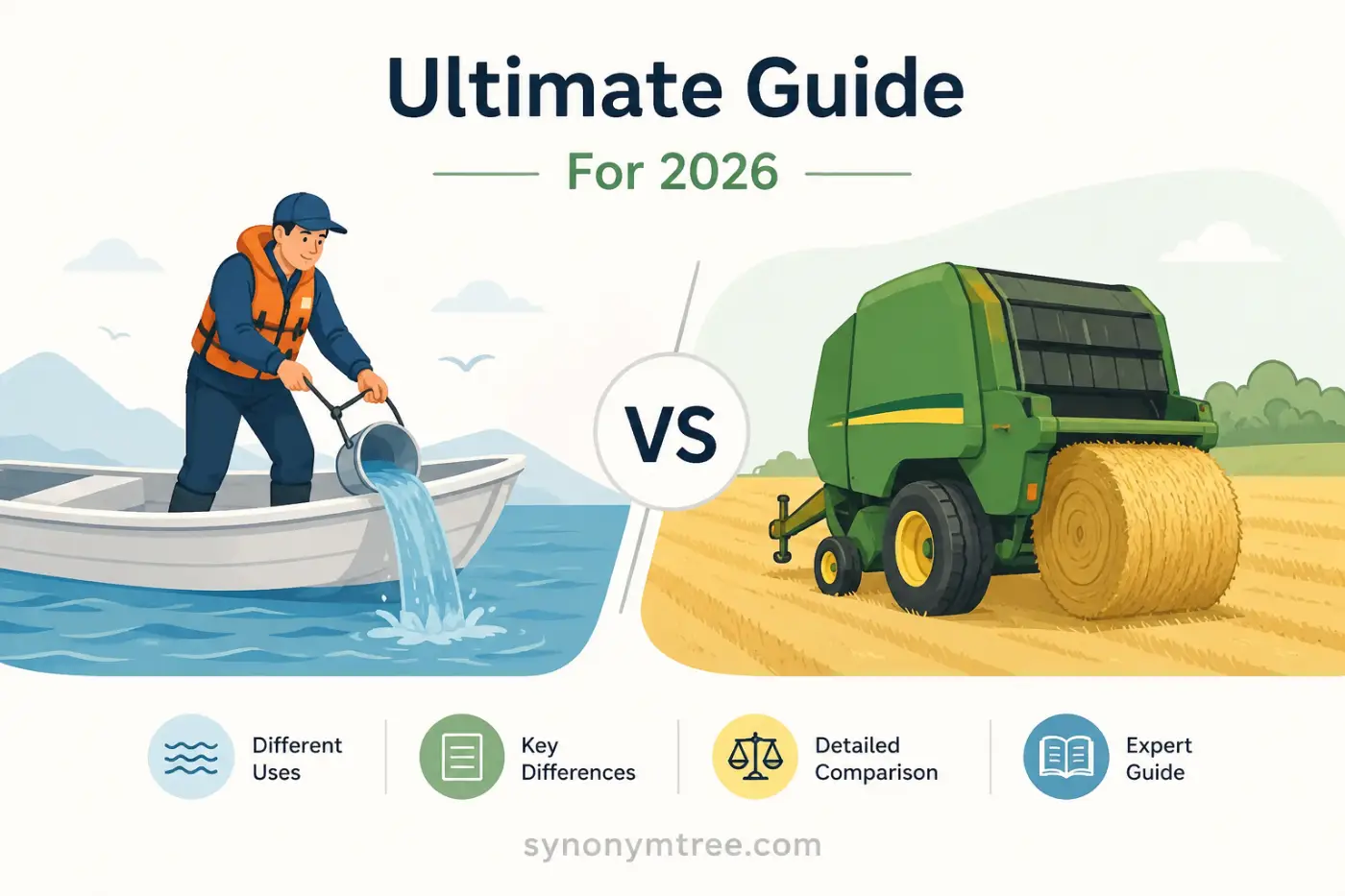
These two words sound almost the same. That is why many people confuse them. Still each word has its own job. A bailer has more than one meaning. One meaning is a person or a tool that removes water from a boat bucket or another container. Imagine a small boat filling with rainwater. Someone uses a bucket to scoop the water out. That bucket can be called a bailer.
Another meaning comes from the legal system. A bailer can be someone connected with paying bail for another person. This meaning is much less common in everyday English but you may still see it in legal writing. A baler is much easier to remember because it has only one main meaning. It is a machine that presses loose material into neat bundles called bales. Farmers use balers to collect hay after cutting it. Recycling centers also use balers to press cardboard paper plastic and other materials into blocks that are easier to move and store.
Think about it like this.
A bailer helps take something out.
A baler helps press something together.
That simple idea can help you remember the difference every time.
Why People Mix These Words
People often mix these words because they look and sound very similar. English has many words that differ by only one letter. That small change can create a completely different meaning.
Here are some common reasons people get confused.
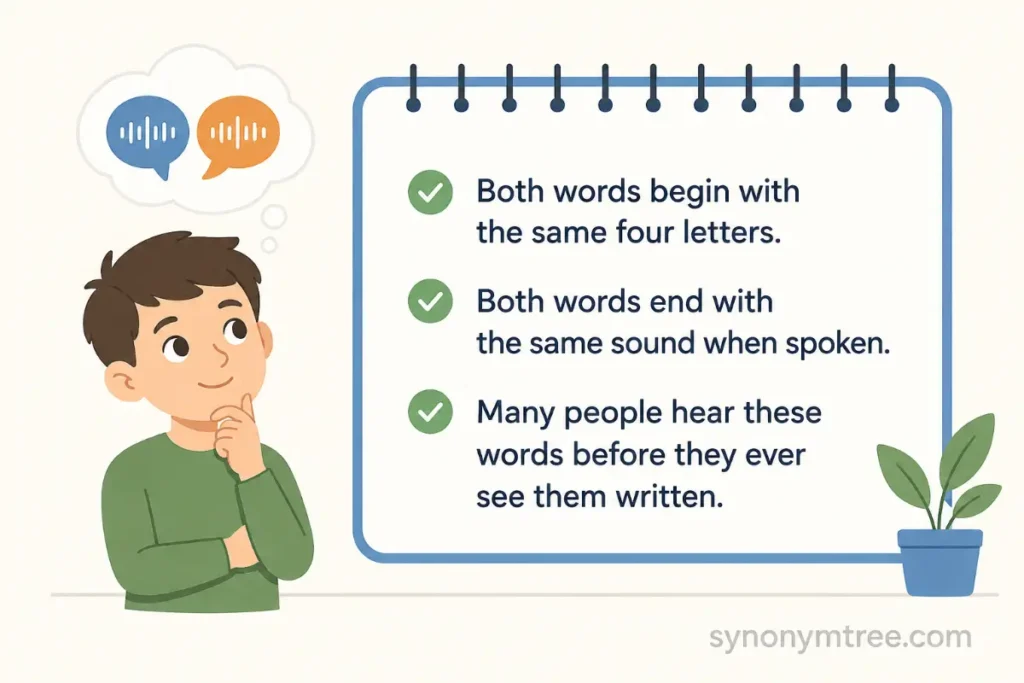
- Both words begin with the same four letters.
- Both words end with the same sound when spoken.
- Many people hear these words before they ever see them written.
- Spell check does not always catch the mistake because both words are real English words.
- Most people use one of these words very rarely. That makes it easier to forget the correct spelling.
Picture a student writing about farm equipment. The student writes bailer instead of baler. The sentence still looks correct because bailer is a real word. Still the meaning becomes wrong. The same mistake can happen in a news story about a rescue boat. Someone writes baler instead of bailer. Again the spelling looks fine but the meaning changes.
This is why context matters so much.
Ask yourself one simple question.
Is the sentence talking about removing water or helping someone with bail?
If the answer is yes then use bailer.
Is the sentence talking about making bales of hay paper cardboard or plastic?
If the answer is yes then use baler.
That quick check solves the problem almost every time.
Clear Difference Between These Words
The easiest way to remember these words is to compare them side by side.
- Bailer removes water or can describe a person connected with bail.
- Baler presses materials into bales.
- Bailer often appears in boating rescue or legal topics.
- Baler usually appears in farming recycling and waste management.
- Bailer is much less common in daily conversation.
- Baler is the word most people see when talking about farm machines.
Here is another easy memory trick.
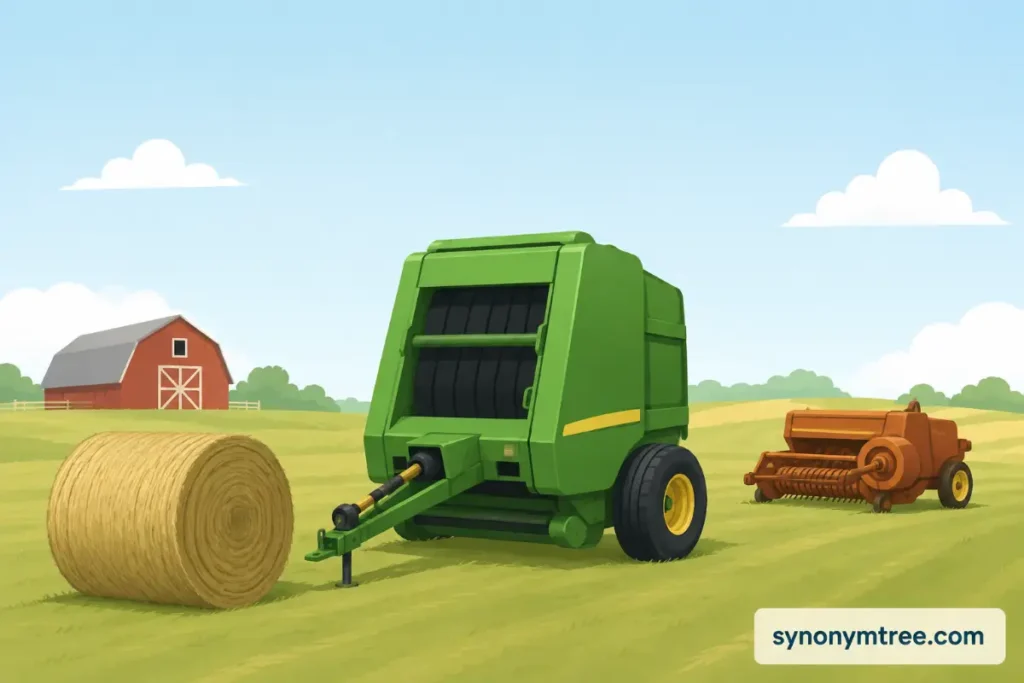
Think about hay stacked neatly in a field.
A machine made those bundles.
That machine is a baler.
Now picture someone scooping water from a small boat.
The bucket used for that job is a bailer.
The pictures are very different. That makes the words much easier to remember.
Another helpful tip is to notice the object in the sentence.
If you see words like hay straw cardboard paper plastic or recycling the correct word is almost always baler.
If you see words like boat water bucket canoe flood or bail the correct word is usually bailer.
Your brain learns faster when you connect words with pictures instead of memorizing rules.
That is why many teachers use simple images while teaching new vocabulary.
Imagine a sunny farm with fields full of hay.
Now imagine a fishing boat after heavy rain.
Each picture points to only one correct word.
After practicing this a few times you will probably remember the difference without thinking about it.
Which Form Should You Use
The correct word depends on what you want to say.
Use bailer when talking about removing water from a boat or another container.
Use bailer in legal writing if the meaning relates to someone connected with paying bail.
Use baler when talking about a machine that makes bales.
Most everyday writing about farming uses baler.
Most everyday writing about boats uses bailer.
If you still feel unsure look at the words around it.
Words often give helpful clues.
For example words like tractor field hay and harvest point to baler.
Words like lake boat water paddle and bucket point to bailer.
Reading the whole sentence instead of only one word makes the correct choice much easier.
Another good habit is reading your sentence aloud.
Sometimes your brain notices the meaning more clearly when you hear the complete sentence.
Good writers do this all the time.
They check if every word matches the idea they want to share.
That small habit can help you avoid many common spelling mistakes.
It also helps your writing sound more natural and clear.
Many English learners think they must memorize hundreds of grammar rules.
That is not true.
In many cases simple thinking works better.
Ask what the sentence is talking about.
Then choose the word that matches the idea.
That is the easiest way to pick between these words.
Bailer Or Baler Which Word Should You Use
Have you ever stopped while writing and wondered if you should use bailer or baler? You are not alone. Many people see these two words and think they mean the same thing because they look almost alike. Still they have different meanings and people use them in different situations.
The good news is that this is an easy mix up to fix. Once you learn what each word means you will know which one fits your sentence. After that you will feel more confident when you write an email a school paper a social media post or even a work report. This guide explains these words in very simple English. You will learn the meaning of each word see the difference between them and read real life examples that are easy to remember. By the end you will know exactly which word to use.
Simple Answer In One Look
A bailer is a person or a tool that removes water. It can also mean a person who pays money to help someone leave jail until court. A baler is a machine that presses materials like hay cardboard paper or plastic into tight bundles called bales.
What Bailer Or Baler Means In Simple English
These two words sound almost the same. That is why many people confuse them. Still each word has its own job. A bailer has more than one meaning. One meaning is a person or a tool that removes water from a boat bucket or another container. Imagine a small boat filling with rainwater. Someone uses a bucket to scoop the water out. That bucket can be called a bailer.
Another meaning comes from the legal system. A bailer can be someone connected with paying bail for another person. This meaning is much less common in everyday English but you may still see it in legal writing. A baler is much easier to remember because it has only one main meaning. It is a machine that presses loose material into neat bundles called bales. Farmers use balers to collect hay after cutting it. Recycling centers also use balers to press cardboard paper plastic and other materials into blocks that are easier to move and store.
Think about it like this.
A bailer helps take something out.
A baler helps press something together.
That simple idea can help you remember the difference every time.
Why People Mix These Words
People often mix these words because they look and sound very similar. English has many words that differ by only one letter. That small change can create a completely different meaning.
Here are some common reasons people get confused.
- Both words begin with the same four letters.
- Both words end with the same sound when spoken.
- Many people hear these words before they ever see them written.
- Spell check does not always catch the mistake because both words are real English words.
- Most people use one of these words very rarely. That makes it easier to forget the correct spelling.
Picture a student writing about farm equipment. The student writes bailer instead of baler. The sentence still looks correct because bailer is a real word. Still the meaning becomes wrong. The same mistake can happen in a news story about a rescue boat. Someone writes baler instead of bailer. Again the spelling looks fine but the meaning changes.
This is why context matters so much.
Ask yourself one simple question.
Is the sentence talking about removing water or helping someone with bail?
If the answer is yes then use bailer.
Is the sentence talking about making bales of hay paper cardboard or plastic?
If the answer is yes then use baler.
That quick check solves the problem almost every time.
Clear Difference Between These Words
The easiest way to remember these words is to compare them side by side.
- Bailer removes water or can describe a person connected with bail.
- Baler presses materials into bales.
- Bailer often appears in boating rescue or legal topics.
- Baler usually appears in farming recycling and waste management.
- Bailer is much less common in daily conversation.
- Baler is the word most people see when talking about farm machines.
Here is another easy memory trick.
Think about hay stacked neatly in a field.
A machine made those bundles.
That machine is a baler.
Now picture someone scooping water from a small boat.
The bucket used for that job is a bailer.
The pictures are very different. That makes the words much easier to remember.
Another helpful tip is to notice the object in the sentence.
If you see words like hay straw cardboard paper plastic or recycling the correct word is almost always baler.
If you see words like boat water bucket canoe flood or bail the correct word is usually bailer.
Your brain learns faster when you connect words with pictures instead of memorizing rules.
That is why many teachers use simple images while teaching new vocabulary.
Imagine a sunny farm with fields full of hay.
Now imagine a fishing boat after heavy rain.
Each picture points to only one correct word.
After practicing this a few times you will probably remember the difference without thinking about it.
Which Form Should You Use
The correct word depends on what you want to say.
Use bailer when talking about removing water from a boat or another container.
Use bailer in legal writing if the meaning relates to someone connected with paying bail.
Use baler when talking about a machine that makes bales.
Most everyday writing about farming uses baler.
Most everyday writing about boats uses bailer.
If you still feel unsure look at the words around it.
Words often give helpful clues.
For example words like tractor field hay and harvest point to baler.
Words like lake boat water paddle and bucket point to bailer.
Reading the whole sentence instead of only one word makes the correct choice much easier.
Another good habit is reading your sentence aloud.
Sometimes your brain notices the meaning more clearly when you hear the complete sentence.
Good writers do this all the time.
They check if every word matches the idea they want to share.
That small habit can help you avoid many common spelling mistakes.
It also helps your writing sound more natural and clear.
Many English learners think they must memorize hundreds of grammar rules.
That is not true.
In many cases simple thinking works better.
Ask what the sentence is talking about.
Then choose the word that matches the idea.
That is the easiest way to pick between bailer and baler.

Easy Real Life Sentences You Can Use
Reading simple examples is one of the fastest ways to learn new words. Pay attention to the situation in each sentence. The context tells you which word is correct.
Using Bailer
- The fisherman grabbed a bailer to remove rainwater from the boat.
- We kept a plastic bailer inside the canoe during our trip.
- The small boat stayed afloat because everyone used a bailer to scoop out water.
- The rescue team packed a bailer with the rest of their safety gear.
- The lawyer spoke about the bailer during the court case.
Using Baler
- The farmer started the baler after cutting the hay.
- Our neighbor bought a new baler before harvest season.
- The recycling center uses a baler to press cardboard into large blocks.
- The old baler needed a new part before it could work again.
- The workers moved the finished bales after the baler stopped.
Now compare these two sentences.
- The bailer removed water from the boat.
- The baler made hay into neat bundles.
Only one letter changes but the meaning is completely different.
Here is another quick practice.
- We stored the hay after the machine finished its work.
The correct word is baler because the sentence talks about making hay bales.
- The canoe filled with water after the heavy rain.
The correct word is bailer because the sentence is about removing water. Practicing with short examples like these helps your brain remember the right word much faster than memorizing definitions alone.
Where These Words Comes From
Knowing a little history can make new words easier to remember.
The word bale has been part of English for hundreds of years. It means a large bundle of material tied together for moving or storage. Farmers have used bales of hay and straw for a very long time. When machines were invented to make these bundles people called them balers because they made bales. The word bail has a different story. One old meaning of bail is to scoop water out of a boat. From that action came the word bailer for a person or tool that removes water.
The legal meaning of bail has a separate history. It refers to money or a promise that allows someone to leave jail until they return to court. Because English changes over time some legal writing also uses the word bailer in connection with that process. Even though these words look alike they did not grow from the same idea. You can remember them like this.
Bale leads to baler. Bail leads to bailer. That small connection makes the spelling much easier to recall. Learning where words come from also helps you understand English instead of simply memorizing it. After you know the story behind the words they often stay in your memory for a long time. As you continue learning English you will notice many pairs of words that look alike but have different meanings. The good news is that most of them become easy once you connect each word with a clear picture and a real life situation.
How Bailer Or Baler Is Understood In Culture And Stories
The words bailer or baler are not common in stories like words such as hero or dragon. Still each word connects to real life in a meaningful way. A bailer often reminds people of teamwork and staying calm during a problem. Picture a family in a small boat. Water starts coming in. Everyone works together to scoop the water out. The bailer becomes a simple tool that helps keep everyone safe.
Because of this people sometimes see a bailer as a sign of helping others during hard times. It is not a famous symbol but it carries the idea of solving a problem one step at a time. A baler brings a different picture to mind. It reminds people of farms open fields and harvest season. Many families who live in farming areas see a baler every year. It is a machine that turns loose hay into neat bales that animals can eat later.
For many people the baler stands for hard work planning and preparing for the future. Farmers know that making hay today helps feed animals months later. Both words connect to everyday life. A bailer helps protect. A baler helps prepare. That simple difference is easy to remember.
Biblical And Mythological Meaning Of These Words
There is no special biblical meaning for These Words. The Bible does not use these words as important symbols or religious ideas. Still the actions behind the words can remind readers of lessons found in many Bible stories. A bailer removes water to help keep a boat safe. That can remind people of helping others during difficult times and working together when life becomes challenging.
A baler gathers loose crops into useful bundles. That may remind some readers of harvest stories in the Bible where gathering food showed thankfulness careful planning and providing for others.
These are simple comparisons. They are not official religious meanings. The same idea applies to myths and old legends. Neither word has a famous place in Greek Roman or other well known myths. They are everyday words that describe real tools and real jobs.
Symbolism Explained In Simple Words
What These Words Represents As A Bailer
A bailer can represent hope during a problem.
It reminds us that even a small tool can make a big difference.
It also represents action.
Instead of giving up a person keeps removing water one scoop at a time.
Many people like this idea because life often gets better through small steady efforts.
What Bailer Or Baler Represents As A Baler
A baler often represents planning and hard work.
Farmers spend many hours growing crops.
The baler helps turn that work into something useful that can be stored for later.
Because of this the baler can remind people to prepare today for tomorrow.
It also represents making order from something messy.
Loose hay becomes neat bales that are easy to move and store.
That simple change makes work easier.
Related Words You Should Know About Bailer Or Baler
Learning a few related words makes these meanings even clearer.
- Bale.
A large bundle of hay paper cotton or another material tied together.
- Bail.
To remove water from a boat or to provide money that allows someone to leave jail until court.
- Hay.
Dry grass used to feed farm animals.
- Straw.
The dry stalk left after grain is harvested. Farmers often bale straw too.
- Harvest.
The time when crops are collected from the field.
- Recycle.
To turn old materials into new useful products. Many recycling centers use a baler.
- Canoe.
A small narrow boat that may need a bailer if water gets inside.
- Cardboard Bale.
A large bundle of pressed cardboard made by a baler. These related words help you understand the situations where each word belongs.
How People Actually Use These Words In Daily English
Most people do not use these words every day. Still they appear often in certain jobs and hobbies.
Here are real examples.
- We bought a new baler before hay season started.
- The old baler still works after many years.
- The recycling company installed a larger baler.
- Please hand me the bailer because water is getting into the boat.
- Every canoe should carry a small bailer.
- Grandpa showed me how the baler worked on the farm.
- The workers repaired the baler before the next harvest.
- We used a plastic bailer during our fishing trip.
- The hay looked perfect after the baler finished.
- Keep the bailer close in case it rains during our trip.
Notice something interesting. Farm workers almost always say baler. People who enjoy boating usually say bailer. The people around you often give clues about the correct word.
Common Mistakes People Make With These Words
Many mistakes happen because both words sound very similar.
Here are the most common ones.
- Writing bailer when talking about farm equipment.
Correct sentence.
The farmer repaired the baler before harvest.
- Writing baler when talking about removing water from a boat.
Correct sentence.
The sailor picked up the bailer.
- Thinking both words can replace each other.
They cannot.
Each word has its own meaning.
- Guessing the spelling without reading the whole sentence.
Always check the context first.
- Trusting spell check too much.
Both words are correct English words.
Spell check may not find the mistake.
A simple trick can help.
If you see hay straw cardboard paper plastic or recycling think baler.
If you see boat canoe bucket lake river or water think bailer.
That quick check works almost every time.
Final Teacher Explanation Of These Words
Imagine I am standing in front of a classroom.
I would tell my students that English becomes much easier when you connect words with pictures.
Picture a small boat filling with water.
Someone grabs a bucket and starts removing the water.
That is a bailer.
Now picture a wide farm during harvest.
A machine rolls across the field and makes neat bundles of hay.
That is a baler.
You do not need to memorize long grammar rules.
You only need to remember the job each word does.
The job tells you the correct answer.
If you remember those two pictures you will probably never confuse these words again.
Good writers do not rush.
They stop for a moment.
They read the whole sentence.
Then they choose the word that matches the meaning.
That simple habit will improve your English far beyond this one word pair.
Final Answer About These Words
If the sentence is about removing water from a boat or about a legal meaning connected with bail use bailer. If the sentence is about a machine that makes hay or other materials into bales use baler. The spelling changes because the meanings are different. Remember the picture and the correct word will come naturally.
Conclusion
Many English words look almost the same but carry very different meanings. Bailer or baler is a perfect example. Once you understand what each word does the choice becomes simple.
The easiest way to remember them is through real life pictures. A bailer removes water from a boat or has a legal meaning connected with bail. A baler makes neat bales of hay cardboard paper or other materials. When you focus on the situation instead of only the spelling you will choose the right word with confidence every time.
Frequently Asked Questions About Bailer Or Baler
What does bailer mean in simple words?
A bailer is a tool that removes water from a boat. It can also have a legal meaning connected with bail.
What does baler mean in simple words?
A baler is a machine that presses hay cardboard paper or similar materials into large bales.
Is bailer or baler correct?
Both words are correct. The right choice depends on what your sentence means.
Why do people confuse these words?
They look almost the same and sound very similar. Many people do not see them often in everyday writing.
Can I use both words in the same sentence?
Yes. You can if the sentence talks about both ideas. Just make sure each word matches its correct meaning.
Which word do farmers usually use?
Farmers almost always use baler because they are talking about the machine that makes bales.
Which word should I use for a boat?
Use bailer because it refers to the tool used to remove water.
How can I remember the difference forever?
Think of a boat for bailer and a farm for baler. Those two pictures make the meanings easy to remember.
